
Welcome!
Welcome to the Clinician Portal
Educate patients, learn about products, and order clinic materials with ease.
We're in this together
It’s our goal to create products that are simple to use, easy to talk about, and can help a range of challenges while encouraging people to connect with their bodies, and each other. We value an interdisciplinary approach, early intervention, and patient-centric care.
By patients, for patients
Tools are only helpful if you want to use them. As a patient-founded company, we proudly champion the bio-psycho-social approach to pelvic and sexual health.

Science-first approach
In a world of misinformation, scientific accuracy is our first priority. We nerd out about research every day, collaborate directly with pelvic health clinicians, and turn evidence into tools and education that patients can actually use.

Contributing to research
We’ve proudly participated in an IRB-approved study assessing the efficacy of Ohnut among an endometriosis patient population with the University of British Columbia. Kiwi is in the final stages of an RCT with Medstar looking at the efficacy of Kiwi for provoked vestibular pain.

Patient resources
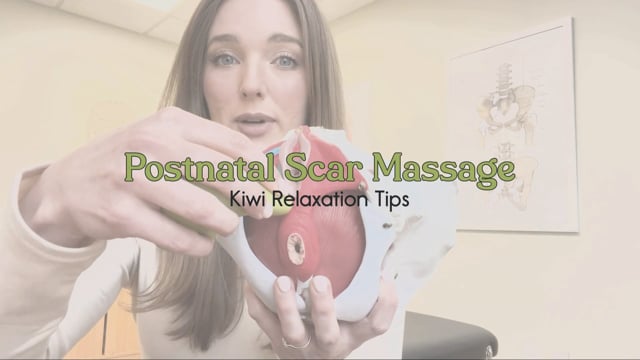
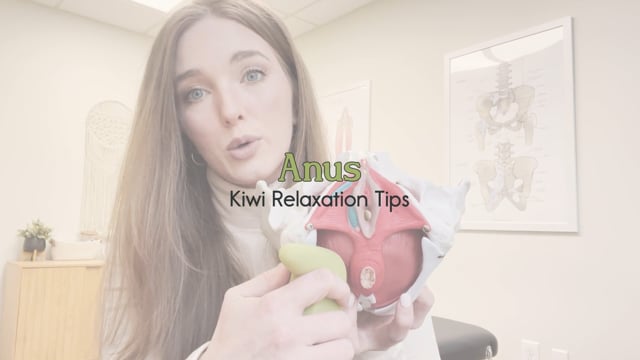
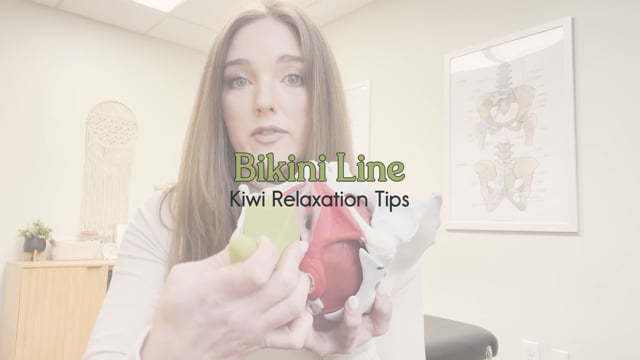
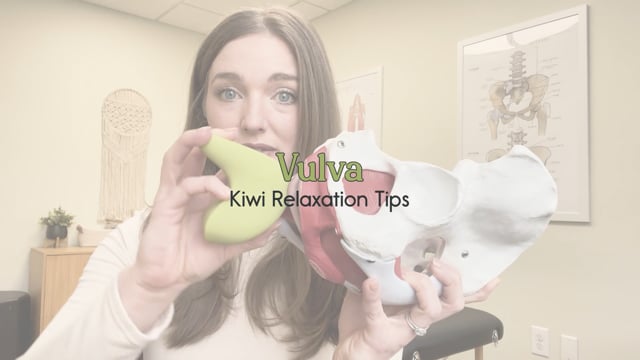
Your one stop shop for digital and printable resources to share with patients







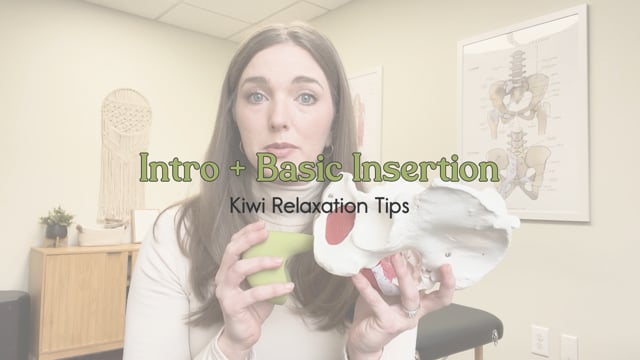
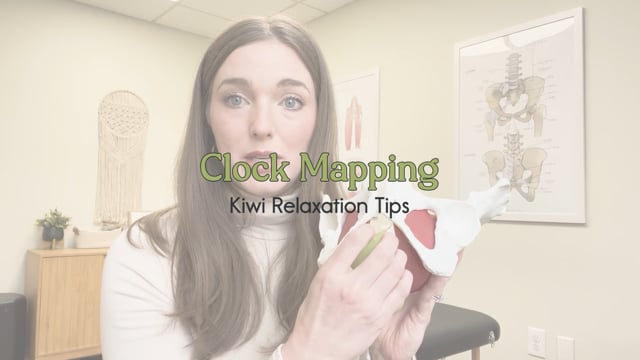
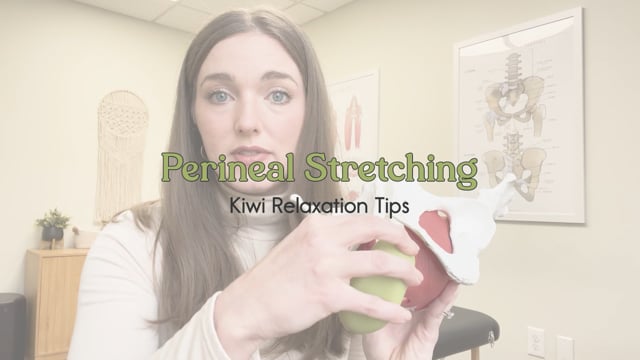
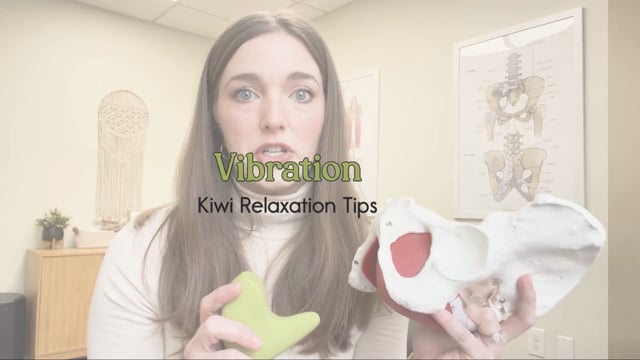



Order materials
See them and hold them in real life!

 Product info
 Product info
 Product info

Ship to
Order summary
-
 Patient Postcards1 pack · 25 units
 -
Kiwi× 1
-
Ohnut× 1
-
Oh Naturale Lube Foils1 pack · 25 units
-
 Clinician Info Sheets1 pack · 5 units
 -
 Patient Info Sheets1 pack · 5 units


Frequently asked questions
How do I order postcards for my practice?
What discount codes can I share with patients?
Can I update my shipping address?
How do I check the status of my order?
I'm having trouble signing in. What should I do?
I see low income patients. How can I make these tools more affordable?
Research
Everything we make starts with evidence. The research that shapes our products, informs our clinical recommendations, and takes pain (and the people living with it) seriously.
Ohnut vs waitlist control for the self-management of endometriosis-associated deep dyspareunia: a pilot randomized controlled trial
Pilot RCT results: couples used Ohnut in ~72% of sexual encounters, acceptability was high for both patients and partners (0.83/1.0), and deep dyspareunia scores were significantly lower than waitlist controls (2.46 vs 4.69, P = .012) — preliminary evidence for Ohnut as a stand-alone or adjuvant management tool.
Read the paperVIBRENT: Vibrating vs traditional therapy for treatment of entry dyspareunia
Ongoing randomized controlled trial comparing the Kiwi vibrating pelvic floor device to traditional vaginal dilators in women with genito-pelvic pain/penetration disorder — three 15-minute sessions per week for four weeks, measuring sexual function, sexual distress, pain, and overall symptom severity.
Read the paperAssessment of the pelvic floor and associated musculoskeletal system: guide for medical practitioners
Practical guide to external and internal pelvic musculoskeletal assessment — including how specific restricted or overactive muscles map to tender areas of the vulvar vestibule on palpation — to improve diagnosis, physical therapy referral, and communication between multidisciplinary practitioners.
Read the paperPelvic floor muscle activation in response to pressure stimuli applied to the vulvar vestibule: an observational study comparing women with and without provoked vestibulodynia
Women with PVD showed higher pelvic floor muscle EMG activation before, during, and after pressure at the vaginal fourchette — with responses tied to greater pain sensitivity and lower sexual function. Suggests reducing local pain sensitivity may be an important first step toward improving vaginal function.
Read the paperMultimodal physical therapy versus topical lidocaine for provoked vestibulodynia: a multicenter, randomized trial
In 212 women with PVD, 10 weeks of multimodal physical therapy (education, biofeedback, manual therapy, dilation) outperformed overnight 5% lidocaine on pain during intercourse and every secondary outcome, maintained at 6 months — 79% reported being much or very much improved vs 39%. Strong evidence for PT as first-line treatment.
Read the paperA treatment algorithm for high-tone pelvic floor dysfunction
Delphi consensus guidelines with universal expert agreement on pelvic floor physical therapy as first-line treatment for high-tone pelvic floor dysfunction. When PFPT is not accessible, experts recommend at-home guided pelvic floor relaxation, self-massage with vaginal wands, and virtual PFPT visits.
Read the paperIs it time for doctors to Rx vibrators? A systematic review of pelvic floor outcomes
Systematic review of 17 studies finding vibrator use improves sexual function, pelvic floor muscle strength, and vulvar pain outcomes. Authors argue vibrators belong in the pelvic floor disorder treatment armamentarium but remain understudied.
Read the paperThe analgesic effect of localized vibration: a systematic review — Part 1: the neurophysiological basis
Localized vibration reduces pain through multiple mechanisms beyond spinal gating — distinct sensory pathways at 100–250 Hz, limbic engagement at lower frequencies, and oxytocin release. Frequency matters more than intensity.
Read the paperPast and Present Applications of Therapeutic Pelvic Massage
Pelvic massage has stood the test of time as an empiric treatment for various diseases, but its etiologic justification has changed significantly over millennia. Whereas previously it was believed to treat specifically uterine disorders in hysterical women, it is now understood to affect the muscle and connective tissues of the pelvic floor, as well as secretory genital structures such as the vagina and prostate.
Read the paperFear Learning in Genital Pain: Toward a Biopsychosocial, Ecologically Valid Research and Treatment Model
Proposes a biopsychosocial, ecologically valid framework for how fear learning maintains vulvar and genital pain (vulvodynia, vaginismus), and argues treatment models should address fear-avoidance alongside tissue-level mechanisms.
Read the paperA cross-national examination of sexual desire: The roles of gendered cultural scripts and sexual pleasure in predicting heterosexual women’s desire for sex
Women’s sexual desire is predicted by anticipated pleasure and how much they prioritize their own orgasm; traditional gender-role endorsement predicts lower desire. Useful when assessing desire concerns — ask about pleasure expectations, not just frequency.
Read the paperPleasure despite pain: Associations between experiences of vulvar pleasure, vulvar pain, and sexual function in patients with chronic vulvar pain conditions
Over 70% of patients with chronic vulvar pain reported experiencing vulvar pleasure since symptom onset; those who did showed lower pain-related anxiety and catastrophizing and higher sexual-function scores than those who did not.
Read the paperHave a paper we should add? Email hello@thepelvicpeople.com
Clinician-specific product information
Helpful talking points for each product